Successful Wildlife Management: Your Guide to Responsible and Humane Wildlife Handling
Proper wildlife management is crucial for preserving balance between humans and animals. Numerous neighborhoods face difficulties such as rodent infestations and garden damage. Tackling these problems requires a comprehensive method that emphasizes both safety and humane treatment. Gaining knowledge of deterrent approaches and ethical handling practices is vital. What are the best practices for ensuring coexistence without compromising safety? The following sections will explore practical solutions to achieve this delicate balance.
Common Wildlife Problems You Might Face
Animal intrusions often cause various challenges for homeowners and property managers. Typical concerns encompass invasions of rodents, such as mice and rats, which can harm structures and spread illness. Squirrels and raccoons may also enter attics and lower levels, resulting in structural damage and disruptive noises. Additionally, gardens and landscaping are frequently damaged by deer, while birds frequently generate noise and unsanitary conditions in outdoor areas.
In urban areas, wildlife can become notably brazen, rummaging through trash cans and generating unwanted clutter. Snakes can be a hazard in outdoor spaces, particularly in regions where certain species are venomous. Animals such as raccoons and skunks may become aggressive when cornered. The presence of these animals can lead to safety concerns and emotional distress for residents. Understanding these challenges is essential for effective management and ensuring a safe living environment.
Leading Strategies to Prevent Wildlife Intrusions
Effective prevention strategies can greatly reduce the risk of wildlife intrusions in residential areas. Homeowners should begin by securing potential entry points, such as gaps in foundations, vents, and attics. Fitting tight screens and closing off holes can discourage animals from settling in. Furthermore, maintaining clean yards free of food sources is critical; this includes storing garbage in animal-resistant containers and quickly removing fallen fruit or pet food. Yard design decisions also have an impact; choosing native plants that hold less appeal for wildlife can minimize attraction. Setting up fencing can establish a physical deterrent, but they must be high and deeply set to prevent burrowing animals. Finally, informing residents about animal behaviors helps foster proactive measures, ensuring that neighbors work together to maintain a wildlife-free environment. By implementing these strategies, homeowners can reliably defend their residences from unwanted wildlife encounters.
How to Ethically Trap and Relocate Wildlife
Capturing and moving wildlife demands meticulous planning and deliberation to confirm the procedure is both humane and efficient. To begin, it is important to choose suitable traps crafted specifically for the intended species. The traps need to be adequately sized to contain the animal while preserving its well-being and comfort. Placing the right food in the trap will enhance the probability of an effective capture.
Once a trap has caught an animal, it is essential to monitor the trap frequently to minimize stress and potential harm. Following the animal's capture, the animal should be relocated quickly to an area that offers adequate habitat and food sources, far from human residences. Following local regulations pertaining to moving wildlife is required, as certain species may be protected or require special permits. At its core, ensuring a humane approach not only benefits the wildlife but also promotes harmony between humans and their natural surroundings.
Safe Ways to Deter Animals
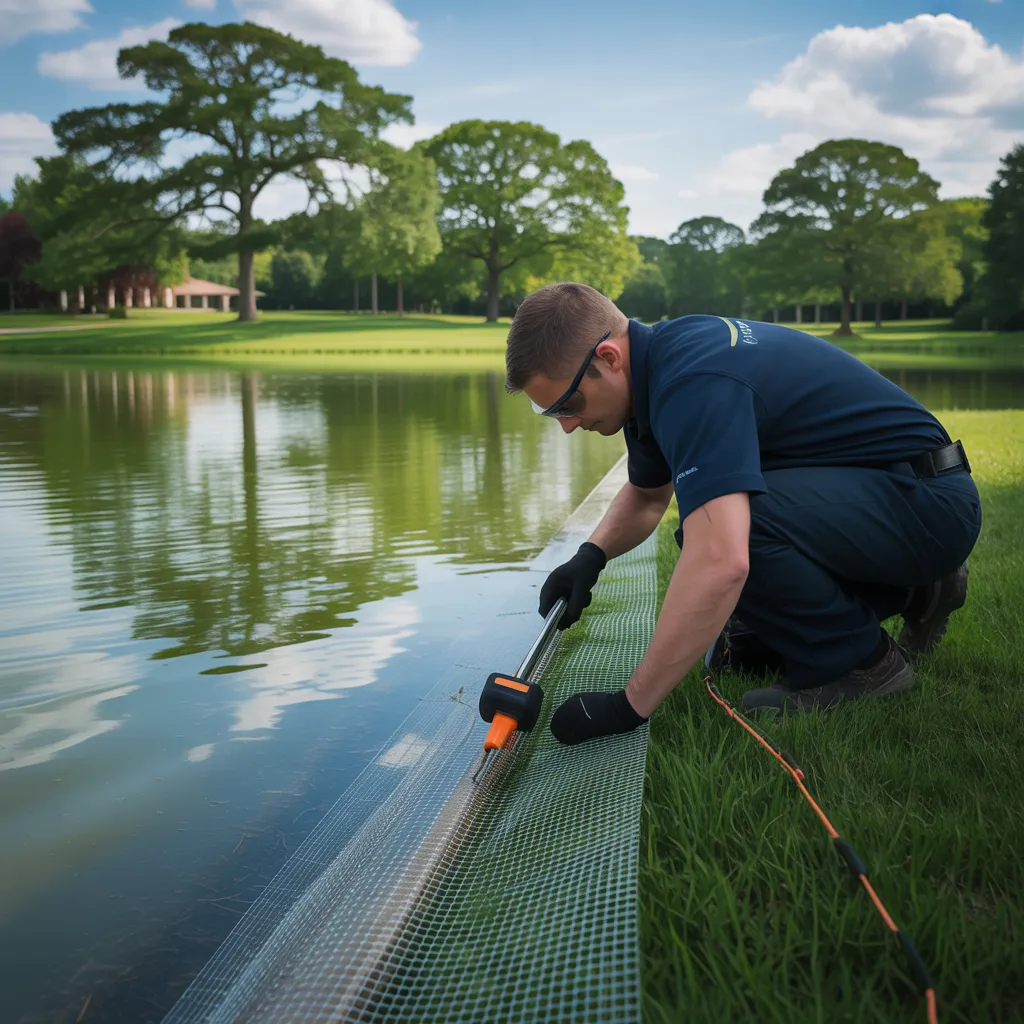
The humane relocation of wildlife frequently results in the need for reliable prevention techniques to stop animals from coming back to residential areas. A number of approaches can be utilized to prevent animals from accessing these locations. The use of natural repellents, such as potent odorous materials like garlic and vinegar or predator urine, can effectively create an unwelcoming environment. Additionally, physical barriers, including wire fencing and mesh netting, help to limit entry into gardens and other attractions.
Sound-based repellents, including motion-sensing equipment or high-frequency repellers, may prove highly useful in driving animals off. Furthermore, ensuring a neat and orderly exterior environment limits available food sources, rendering the area less attractive to wildlife. Growing certain plant species that are unappealing to nearby animals can further discourage their presence. By implementing these safe and humane methods, homeowners can establish a less attractive environment for animals, fostering peaceful cohabitation while preserving property and valuable resources.
What to Do If You Find an Injured Animal
When coming across a wounded animal, it is essential to first assess the circumstances to establish the most appropriate response. Observing the animal's state and environment can provide valuable information. Upon completing this assessment, connecting with a wildlife rescue organization is vital for appropriate assistance and treatment.
Evaluate The Situation First
Encountering an injured creature can be a troubling encounter, so it is essential to carefully assess the situation before taking any action. Initially, the observer should view the animal safely from afar, noting its condition and behavior. This assists in determining whether the animal is actually wounded or just at rest. Following this, examining the environment is vital; recognizing possible hazards, such as passing vehicles or hostile pets, can inform the next steps. It is essential to stay calm, as abrupt movements may frighten the animal and worsen its distress. Moreover, considering the time of day can influence the urgency of the situation; nocturnal animals may be more vulnerable after dark. In summary, a thorough evaluation lays the groundwork for appropriate intervention.
Connect With A Wildlife Rescue
Upon discovering an injured animal, reaching out to a wildlife rescue organization is an essential step in guaranteeing its safety and care. Wildlife rescues are equipped with the expertise and resources necessary to evaluate the animal's condition and deliver proper care. When making contact, it is vital to provide specific details, such as the animal's species, the location, and the extent of the injury. This data enables rescuers to respond appropriately. You should refrain from handling the injured animal unless it is absolutely necessary, as doing so may worsen its stress or injury. After making the call, you should observe the animal from a safe distance until help arrives, making sure the surroundings stay as calm as possible. Prompt action can greatly increase the animal's chances of recovery.
Dependable Local Wildlife Control Resources Near You
When dealing with wildlife problems, it is vital to understand valuable resources found in the community. Community wildlife organizations, government wildlife services, and pest management experts can provide effective assistance and guidance. Knowing these options can help secure the optimal outcomes for wildlife and residents alike.
Neighborhood Wildlife Organizations
Wildlife community organizations act as essential resources for individuals seeking dependable wildlife management options. Such organizations frequently emphasize outreach and awareness, promoting humane methods for managing wildlife conflicts. They provide valuable information on local species, their behaviors, and effective deterrents, enabling homeowners to choose wisely. Numerous groups additionally provide seminars, instructional programs, and resources that stress harmonious relations with local animals, fostering a deeper understanding of local ecosystems. Moreover, they often support local awareness campaigns, connecting residents with professional wildlife control services when necessary. By promoting ethical practices and community involvement, such organizations fulfill an important purpose in reconciling residential concerns with wildlife preservation, ensuring a harmonious coexistence.
Government Wildlife Services
Government wildlife services serve as a reliable option for addressing conflicts between humans and wildlife effectively. These agencies are generally connected to federal or state governments, providing professional assistance and guidance to communities experiencing wildlife concerns. They employ skilled professionals who have expertise in local ecosystems and wildlife behavior, ensuring that solutions are customized for specific situations. Available services can include public education on coexistence practices, habitat assessments, and wildlife population management. By employing humane methods, government wildlife services focus on community safety and animal welfare. These agencies also collaborate with regional organizations to support sustainable approaches and increase knowledge of preserving local wildlife. For residents seeking assistance, these resources provide a trustworthy option for resolving conflicts in a safe and responsible manner.
Local Pest Control Professionals
Community-based wildlife control specialists fulfill a critical purpose in managing wildlife challenges at a more localized level, working alongside government wildlife services. Such experts have expert understanding about regional habitats and the specific species that may pose challenges in city and residential environments. These experts specialize in ethical approaches to wildlife management, emphasizing safety for both animals and humans. Moreover, community specialists are well-versed in the regulations and best practices tailored to their communities, guaranteeing adherence and results. By utilizing methods including barrier installation, environmental adjustment, and humane repellents, they assist in minimizing human-wildlife interactions. Engaging with local pest control experts can result in long-term answers that promote coexistence, in turn supporting both animal populations and residential areas.
Common Questions and Answers
What Are the Legal Regulations for Wildlife Control in My Area?
Regulations governing wildlife control can vary significantly by jurisdiction. People are encouraged to reach out to local wildlife authorities or official government websites to familiarize themselves with the particular laws governing trapping, relocation, and wildlife management in their locality to ensure full compliance with applicable regulations.
How Do I Teach My Children About Wildlife Safety?
To inform children about wildlife safety, parents can promote open dialogue, utilize books and videos, arrange nature walks, and engage in role-play scenarios. These activities foster wildlife awareness and respect, promoting safe interactions with animals in their environment.
What Should I Do When My Pet Encounters Wildlife?
If a pet comes into contact with wildlife, the pet owner should remain calm, put the pet on a leash, and slowly back away without alarming the animal. It is essential to keep a safe distance and prevent any confrontation.
Do Natural Repellents Exist for Particular Animals?
Eco-friendly deterrents encompass citrus peel solutions targeting cats, vinegar go to article for raccoons, and peppermint oil for rodents. In addition, garlic combined with cayenne pepper serves to repel a wide range of animals, offering an environmentally conscious method for handling wildlife encounters.
How Do I Recognize Various Wildlife Species in My Backyard?
To recognize various wildlife species in a backyard, individuals should examine physical traits, behaviors, and sounds. Employing reference guides and mobile applications can aid in identifying wildlife, while observing seasonal variations can provide additional context to wildlife activity.